Nobody Voted for This Calendar: How Reporting Rhythms Quietly Design Your Organization
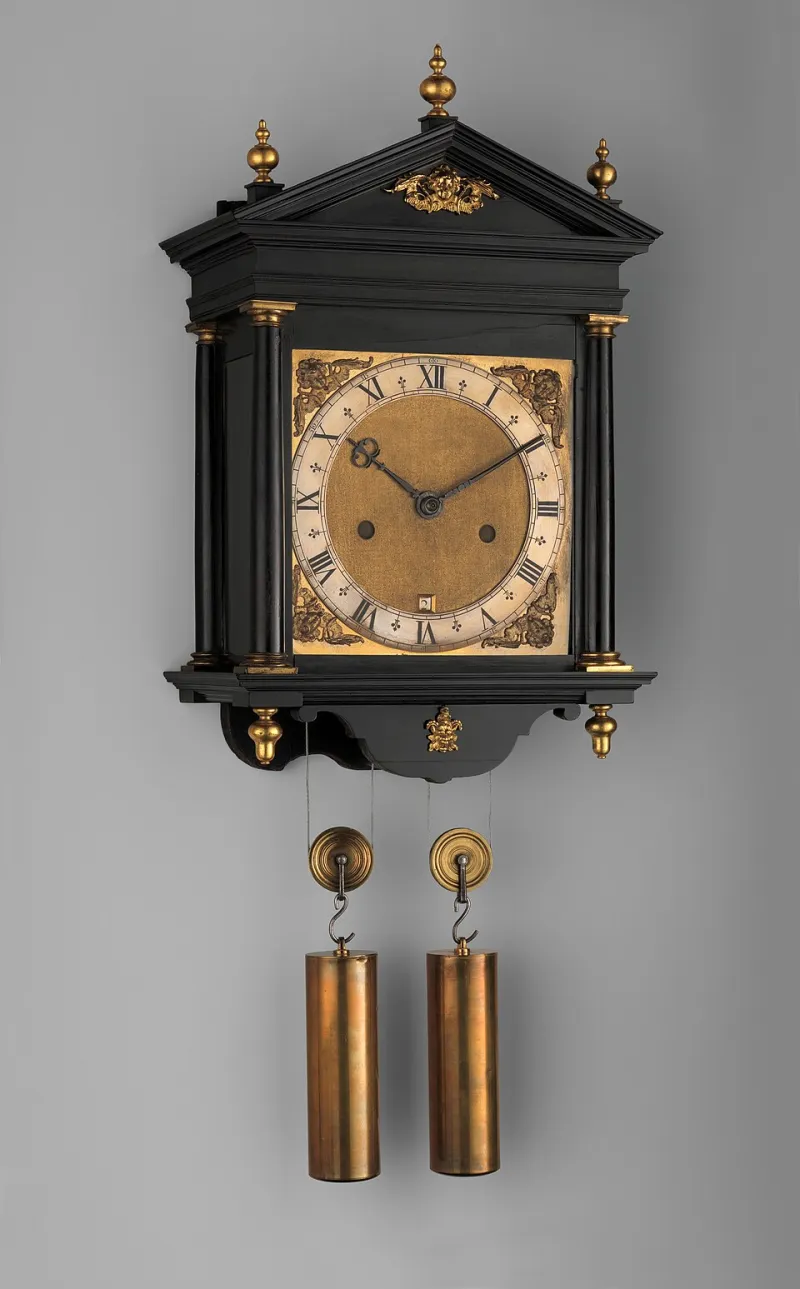
Photo: Ahasuerus Fromanteel, CC0, via Wikimedia Commons
Ask a leadership team why a particular initiative was killed in June, and the honest answer is often not that the initiative failed. It failed by a certain date. Ask why a transformation launched in January, and the answer may have less to do with readiness than with the fiscal year. The reporting calendar — quarterly reviews, annual planning, the drumbeat of board cycles — has become the de facto operating system of the American enterprise. Almost nobody designed it on purpose.
The Calendar as Unconscious Architecture
Organizational design is usually discussed in terms of org charts, spans of control, and decision rights. But there is a second architecture, invisible on any chart: the temporal structure of attention. When leadership reviews happen determines when problems surface. When budget cycles close determines when projects die. When planning windows open determines when ideas get heard.
The consequences compound quietly. A promising pilot launched in March has, by the June review, accumulated barely one full quarter of evidence — often not enough to demonstrate anything except that it is new. Meanwhile, a struggling program that would right itself by September gets terminated in July because its trajectory at the review looked wrong. Neither decision reflected the initiative's merit. Both reflected its position on the calendar.
This is a form of organizational design nobody voted on. The quarterly rhythm was inherited from capital markets, which need periodic disclosure, not from any analysis of how long meaningful operational change takes. Enterprises then layered their internal rhythms on top of an external requirement and mistook the result for management wisdom.
What the Rhythm Costs
The distortions are familiar to anyone who has lived inside a large company:
- Sandbagging and stuffing. Teams learn to hold back good news and defer bad news to fit the narrative window, corrupting the very information the reviews are meant to surface.
- The quarter-end sprint. Effort compresses artificially around reporting dates, exhausting teams in ways that have nothing to do with customer value.
- Premature termination. Initiatives with long payback curves — culture change, platform modernization, brand building — are structurally disadvantaged against anything that can produce a metric in ninety days.
- Cliff-edge decisions. Problems discovered mid-quarter wait, unresolved, for the next review, because mid-cycle attention is scarce and unsanctioned.
Over time, the organization begins to shape itself around the rhythm the way a plant shapes itself around a window. Teams staff for quarter-end. Roadmaps compress into fiscal years. Innovation gets timed like a product launch. The calendar stops measuring the business and starts making it.
Decoupling Decision Timing from Reporting Rhythm
The enterprises that escape this trap do not abolish the quarterly review — external stakeholders require it, and regular cadence has genuine value. What they do is separate two things that have become fused: reporting and deciding.
Establish decision rights independent of review dates. Some firms designate standing forums where initiatives can be accelerated, corrected, or stopped at any point in the cycle, with clear thresholds that trigger mid-quarter attention. A pilot showing unexpected traction should not wait for June.
Match evaluation windows to initiative horizons. A platform migration and a pricing experiment do not mature on the same clock. Leading firms define, at launch, how long an initiative needs before its evidence is meaningful — and protect that window contractually, in writing, against the temptation of the next review.
Report continuously, decide deliberately. Modern tooling has made real-time operational visibility cheap, yet most enterprises still batch decisions into the same old cycles. The information does not need the calendar anymore. Only the habit does.
Kill the ritual kill. Some firms now distinguish explicitly between initiatives paused for evidence and initiatives ended on merit, preventing the quarterly review from becoming a mass execution that punishes everything simply for being unfinished.
Designing Time on Purpose
None of this argues for chaos. Cadence creates coordination, and coordination is real value. The argument is narrower: a rhythm inherited from disclosure requirements should not be mistaken for a strategy for attention, evaluation, or persistence. If the way your organization moves through time was never chosen, it can be chosen now — deliberately, with the same rigor applied to headcount and capital.
The most consequential design decisions at many enterprises were never made in a conference room. They were made by a calendar. Taking that design authority back may be the least visible and most valuable restructuring a leadership team can undertake.